

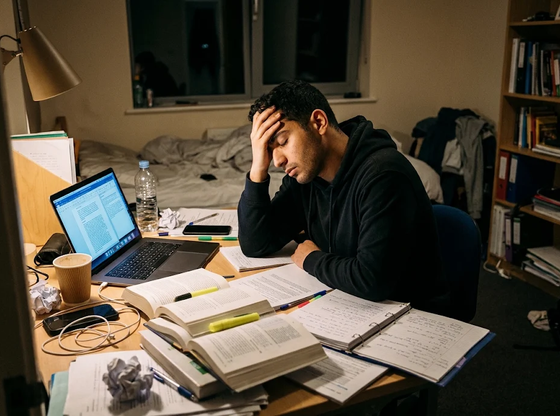

Understanding academic burnout and mental health is essential for students navigating the intense pressures of modern university life. Late-night study marathons, constant digital notifications, and unrealistic self-expectations gradually erode cognitive stamina and emotional stability. Recognizing these subtle behavioral shifts early allows learners to break chronic stress cycles before reaching complete mental exhaustion.
Digital Overload and Academic Burnout and Mental Health
In today’s connected campus culture, the boundary between academic obligations and personal rest has nearly disappeared. Continuous exposure to screens, overlapping project deadlines, and social comparison fuel persistent anxiety and sleep disruption. Over time, this relentless mental strain triggers emotional detachment, reduced memory retention, and declining academic motivation. Consequently, establishing structured offline hours, realistic daily task limits, and restorative sleep routines plays a vital role in protecting cognitive performance throughout the term.
Practical Strategies for Long-Term Student Resilience
Beyond individual habits, improving academic burnout and mental health outcomes requires supportive campus environments and proactive self-care. Engaging in peer study groups, utilizing university psychological counseling, and practicing mindful pacing help replace guilt-driven overwork with sustainable productivity. When students treat rest as an active component of learning rather than a sign of weakness, both academic focus and emotional well-being improve significantly. Ultimately, managing academic burnout and mental health effectively relies on balancing disciplined time management with compassionate self-regulation. For additional insights on mindful environments and restoration, you can also read our article on natural beauties of Turkey.
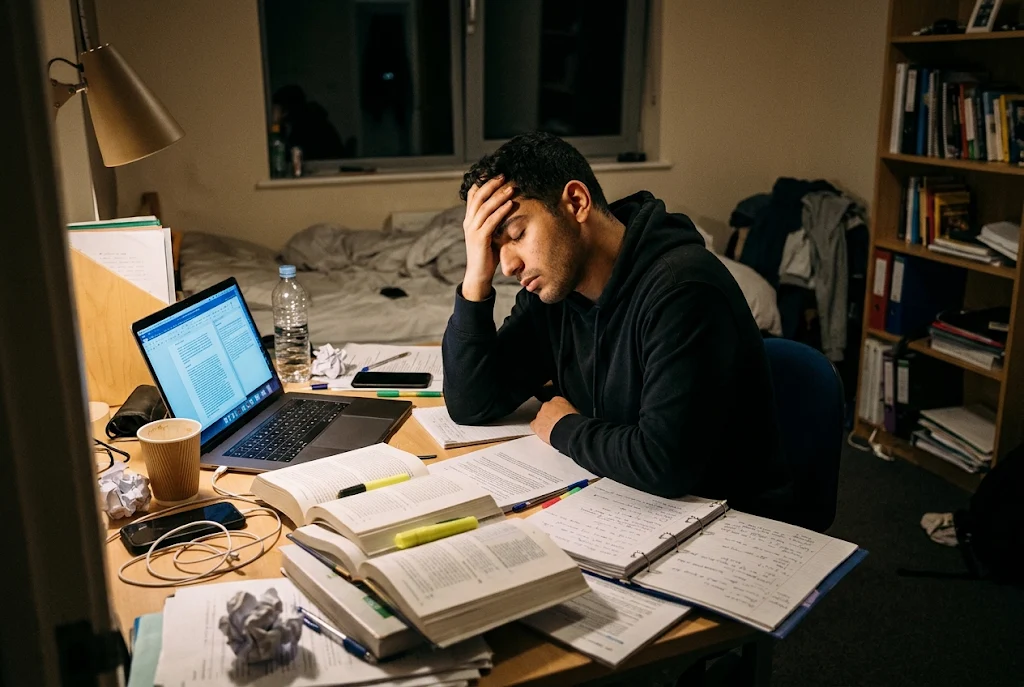
Official Mental Health & Student Well-Being Resources
- World Health Organization (WHO) – Mental Health & Burnout: https://www.who.int/health-topics/mental-health
- American Psychological Association (APA) – Stress & Burnout: https://www.apa.org/topics/stress
- Active Minds – Student Mental Health Advocacy: https://www.activeminds.org
- Jed Foundation (JED) – Protecting Emotional Health for Students: https://jedfoundation.org